

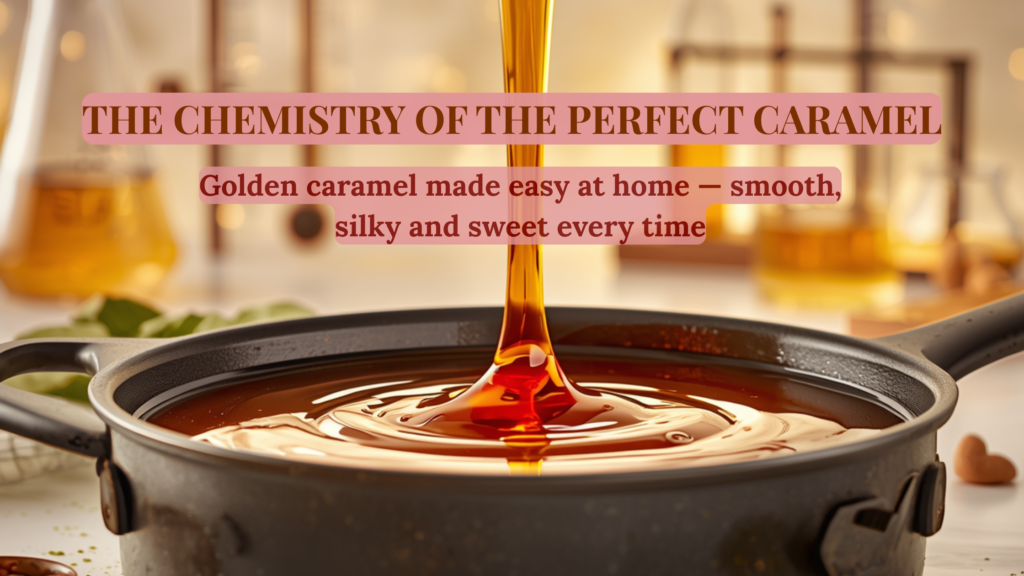
The Chemistry of the Perfect Caramel
Mastering caramel is less about luck and more about understanding the science behind the magic.
Most home bakers are terrified of caramel. A few seconds too long in the pan and it can turn from golden perfection to burnt bitterness. But the truth is, caramel is all about chemistry, and once you understand it, the “fear of the flame” disappears.
Whether you’re drizzling it over desserts, folding it into cakes, or making candies, knowing the how and why can make all the difference.
If you want to see how this comes together in a real dessert, our Caramel Cheesecake is a perfect example—rich, smooth, and finished with that beautifully balanced caramel.
Fear of the Flame
Caramel is a test of patience and observation. The exact moment before sugar burns is where the magic happens — that rich amber color, the glossy texture, the irresistible aroma. Watching sugar transform is strangely satisfying once you know what to look for.
The trick is to observe, not rush. Every second counts, but panicking and stirring constantly often leads to crystallization or uneven browning.
Water-Clean Method
One of the simplest ways to avoid crystallization is the “Water-Clean” method.
- Add a tiny splash of water and a drop of lemon juice to sugar before heating.
- No need to stir constantly.
- The acid prevents the sugar from forming unwanted crystals, keeping the caramel smooth and silky.
It’s a small adjustment that makes a huge difference — especially for first-time caramel makers.
Patience and Observation
Caramel isn’t just about ingredients; it’s about watching, feeling, and timing.
- Look for the “old copper” color — golden amber with a deep richness.
- Listen for the subtle changes in bubbles.
- Smell the transformation — the aroma intensifies before it reaches perfection.
Caramel rewards calm, attentive bakers. Rush it, and it turns bitter. Respect it, and it turns magical.
Alternative Sugars
2026 is all about clean-label baking, and caramel is no exception. You can create a similar flavor profile using:
- Coconut sugar – slightly nutty and less processed
- Dates or date syrup – natural sweetness with depth
These alternatives are perfect if you want a modern twist without compromising texture or flavor.
Quick Tips for Perfect Caramel Every Time
- Use a heavy-bottomed pan to ensure even heating.
- Keep the heat low; slow melting creates smooth caramel.
- Avoid stirring too much — let the sugar melt and color evenly.
- Have all other ingredients ready — caramel waits for no one.
- Clean the pan with a wet pastry brush if sugar crystals cling to the sides.
Why Caramel Works
Chemically, caramelization is sugar breaking down under heat, forming hundreds of new compounds that create flavor, aroma, and color.
- At 160°C (320°F), sugar melts and begins to turn light golden.
- At 170–175°C (340–350°F), it develops a deep amber, nutty flavor.
- Beyond that, it burns quickly.
Understanding these temperatures removes the guesswork and makes caramel predictable and reliable.
Final Thoughts
Caramel isn’t a mystery — it’s chemistry in motion. Once you master the timing, colors, and techniques, it becomes an easy, satisfying element in your baking repertoire.
The key? Respect the sugar, stay patient, and watch for that magical moment where everything comes together.
Next time you drizzle caramel over a dessert, you’ll know exactly what went into that glossy perfection, and it feels a little like magic.
Happy baking.
Disclaimer: This blog is intended for educational and informational purposes only. Results may vary depending on ingredients, equipment, and technique. Always follow safe baking practices and use caution when handling hot ovens, sharp tools, and food.