

How to Make Plant-Based Natural Food Coloring
In a world full of neon-colored sweets, there is something truly elegant about the soft, muted tones found in nature. Moving away from synthetic dyes isn’t just about avoiding additives; it is about embracing the subtle flavors and sophisticated hues that only plants can provide. This guide explores the “botanical palette”—the science of extracting vibrant pigments from fruits, vegetables, and spices to create frosting that is as beautiful as it is wholesome.
The Botanical Color Palette
Nature provides a stunning spectrum of colors if the right extraction methods are used. Here is how to source a rainbow from the pantry:
- Pink & Red: Beetroot juice is the powerhouse here. For a soft blush, a few drops of raw beet juice work perfectly. For a deeper crimson, use concentrated beetroot powder.
- Yellow & Gold: Turmeric provides a brilliant sunshine yellow. Because it has a strong earthy flavor, use it sparingly—a little goes a long way.
- Green: Matcha powder offers a sophisticated mossy green, while liquid chlorophyll or spinach juice (boiled and strained) provides a more neutral, grassy hue.
- Purple: Boiled purple sweet potato or concentrated blueberry juice creates a range of shades from soft lilac to deep plum.
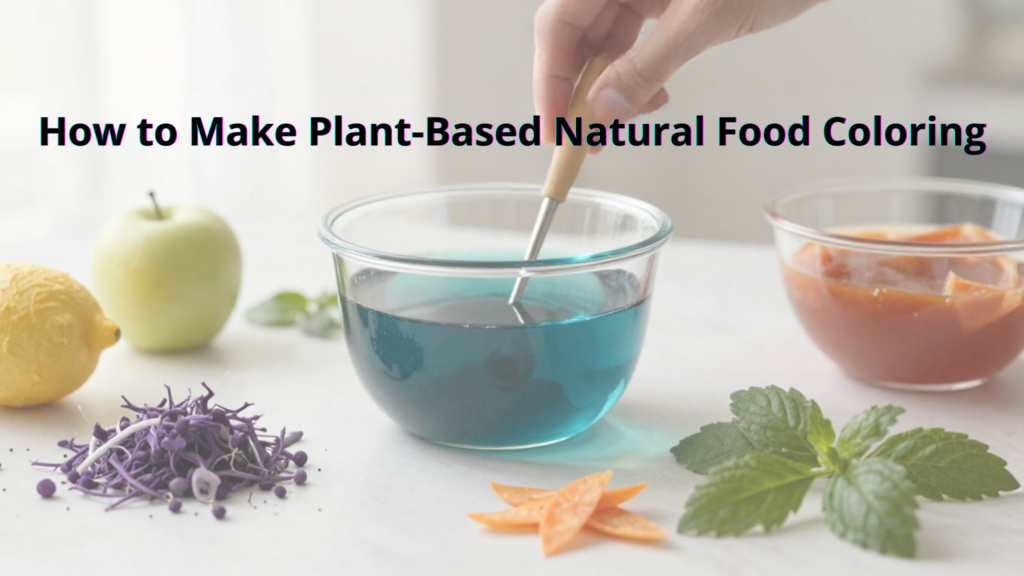
- Blue: This is the “holy grail” of natural coloring. Red cabbage boiled with a pinch of baking soda transforms from purple to a stunning sky blue through a simple pH reaction.
Techniques for Extraction
- The Powder Method (Best for Stability)
Using freeze-dried fruit powders (like strawberry or raspberry) or vegetable powders (like spirulina) is the easiest way to add color without changing the consistency of the frosting. Simply sift the powder into the sugar before mixing.
2. The Reduction Method (Best for Vibrancy)
When using juices like pomegranate or blueberry, simmer the liquid in a small saucepan over low heat until it reduces to a thick, syrupy concentrate. This intensifies the color and removes excess water that could make the frosting “split.”
3. The Infusion Method (Best for Delicate Hues)
For colors like soft yellow or lavender, steep the plant material (like saffron threads or dried hibiscus) directly into the plant-based milk or melted butter used in the recipe.
Tips for Success
- Watch the pH Balance: Some natural dyes, especially those from berries and cabbage, are pH-sensitive. Adding lemon juice (an acid) can transform a blue hue into purple or pink.
- Temperature Matters: Many natural pigments are heat-sensitive. Always wait for the cake to be completely cool before frosting, as residual warmth can cause colors like beet-pink to fade or turn brown.
- Embrace the Flavor: Unlike synthetic dyes, natural colorings often carry a hint of flavor. Match the color to the cake—matcha green for an earthy sponge or berry pink for a vanilla base.
- Start Small: Natural colors develop over time. Mix the color into the frosting and let it sit for 15 minutes to see the true final shade before adding more.
Also read: How to Fix Common Cookie Baking Problems
Note:
Using plants to dye frosting is a lesson in patience and appreciation for the seasons. While these colors may not be “fluorescent,” they possess a depth and glow that synthetic bottles simply cannot replicate. It turns every cake into a unique piece of botanical art.
Disclaimer: This blog is intended for educational and informational purposes only. Results may vary depending on ingredients, equipment, and technique. Always follow safe baking practices and use caution when handling hot ovens, sharp tools, and food.